Why Natural Beeswax Finishes Haze Over in Humid Climates (Fixed)
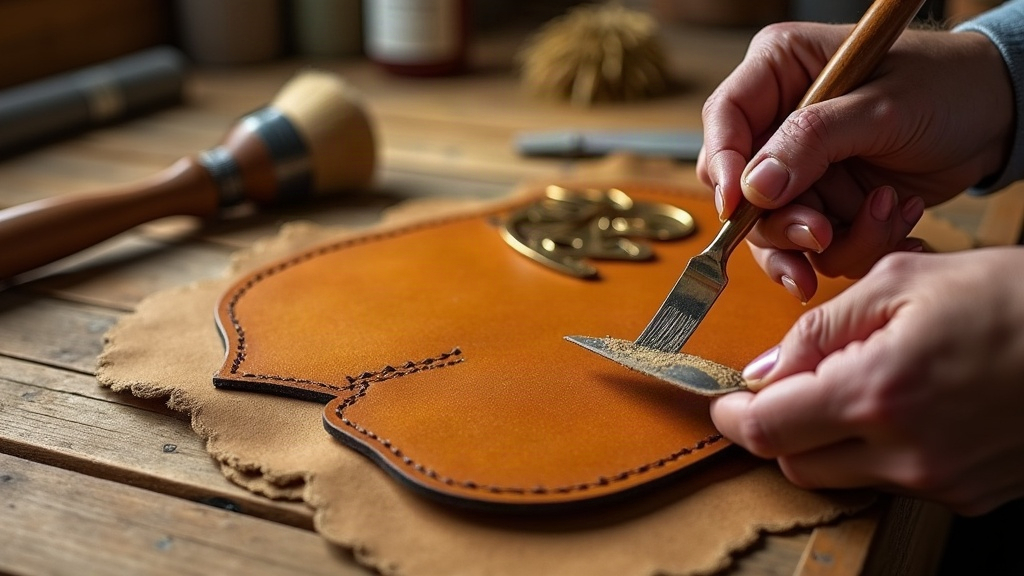
If your beeswax-finished leather has turned a pale, cloudy, almost dusty-looking shade, you’re not imagining things. That’s “bloom,” and it’s almost always caused by shifts in humidity and temperature. The good news? It’s purely cosmetic. No damage done. A bit of heat and some elbow grease will clear it right up.
What Causes That Hazy, Cloudy Look?
Beeswax is a natural lipid-based wax, and it stays semi-soft at room temperature. That’s different from synthetic acrylic or urethane finishes, which cure into a hard, sealed shell and basically stop there. Beeswax never does that. It keeps breathing, it develops a gorgeous patina over time, and it can even self-heal minor scratches. Leather lovers are obsessed with it for exactly these reasons. But that flexibility comes at a cost: beeswax reacts to its environment, sometimes dramatically.
The Science of Bloom
- Humidity pulls wax to the surface. When the air gets humid, moisture messes with the wax’s crystalline structure. Fine wax particles migrate upward and recrystallize right on top of the leather. That new layer scatters light instead of reflecting it cleanly, which is what gives you that dull, whitish film.
- Temperature drops speed things up. Beeswax melts around 62-64°C (144-147°F), but it starts stiffening and separating well before that. A cold basement, an unheated closet, even a chilly car trunk overnight, any of these can make the wax contract unevenly and bloom.
- Thick or sloppy application. If someone went heavy on a conditioning coat, the excess wax sitting on top (instead of soaking into the fibers) is usually the first thing to bloom.
- Impurities in the wax itself. Pure, unrefined beeswax carries plant alcohols and fatty acids that react more to climate swings than the heavily filtered commercial stuff. It’s a trade-off: you get better nourishment for the leather, but a bit more sensitivity too.
Here’s a fun comparison: this is the exact same mechanism behind “fat bloom” on chocolate, or the white film you sometimes see on stored candles. Natural waxes just behave this way. It’s not some unique flaw in leather finishing.
How to Tell Bloom Apart From Actual Damage
Before you do anything, make sure you’re actually looking at bloom and not something worse.
- Bloom: light gray or white haze, feels waxy or a little powdery to the touch, rubs off partially with a dry cloth, and vanishes with gentle heat.
- Mold/mildew: fuzzy texture, musty smell, often with greenish-black spots. Heat alone won’t touch it.
- Salt stains: crusty white rings, typically from sweat or water exposure. They don’t rub off evenly the way wax bloom does.
Quick test: rub the hazy spot with a soft cloth. If it lightens up and feels waxy under your finger, you’re dealing with plain bloom. Nothing to worry about.
How to Fix Hazy Beeswax Finish
Step 1: Warm It Gently
Grab a hairdryer, set it to low-medium heat, and hold it about 15-20 cm (6-8 inches) from the leather. Keep it moving the whole time, never let it linger on one spot. You’re aiming for leather that’s warm to the touch, not hot enough to burn your fingers. This re-melts the surface wax crystals so they bond back together evenly instead of sitting there as loose, scattered particles.
Step 2: Buff Immediately
While the leather’s still warm, buff it briskly with a lint-free cotton cloth or a horsehair brush, using small circular motions. This spreads the wax back into a thin, even coat and brings the sheen back. Most of the time the haze disappears in 30 to 60 seconds flat.
Step 3: Spot-Check and Repeat
Seams, edges, and spots that got extra conditioning earlier tend to be stubborn. Give those a second round of heat and buffing if needed. One thing you shouldn’t do: pile on more wax. The wax that’s already there is almost always enough, it just needs to be spread out properly.
Step 4: Avoid Water or Solvents
Resist the urge to wipe the haze with a damp cloth or an alcohol-based cleaner. That strips the wax unevenly, and you end up with blotchy patches that are honestly harder to fix than the original bloom ever was.
Preventing Bloom Long-Term
- Keep leather at a stable room temperature (18-22°C / 65-72°F), away from damp basements, garages, or car interiors.
- Use a dehumidifier or silica gel packs if you’re storing items in closets in naturally humid regions, coastal towns and tropical climates especially.
- Condition lightly, buff thoroughly. Thin, well-buffed coats bloom far less often than thick, rushed ones.
- Let leather acclimate before putting it away, especially after bringing it in from the cold or from a humid outdoor environment.
- Re-buff seasonally. A quick pass every few weeks during humid months keeps the wax evenly distributed before haze even has a chance to show up.
Final Thoughts
A hazy beeswax finish can look alarming the first time you notice it, but really, it’s just the wax reacting to its surroundings. Your leather isn’t falling apart. A few minutes with a hairdryer and a buffing cloth, and you’ll get back that deep, rich shine beeswax is famous for. Think of it as routine seasonal upkeep, nothing more. Do that, and your leather will keep looking better with every year that passes.