Conditioning Oil-Tanned Leather Belts That Stiffen in Cold Weather
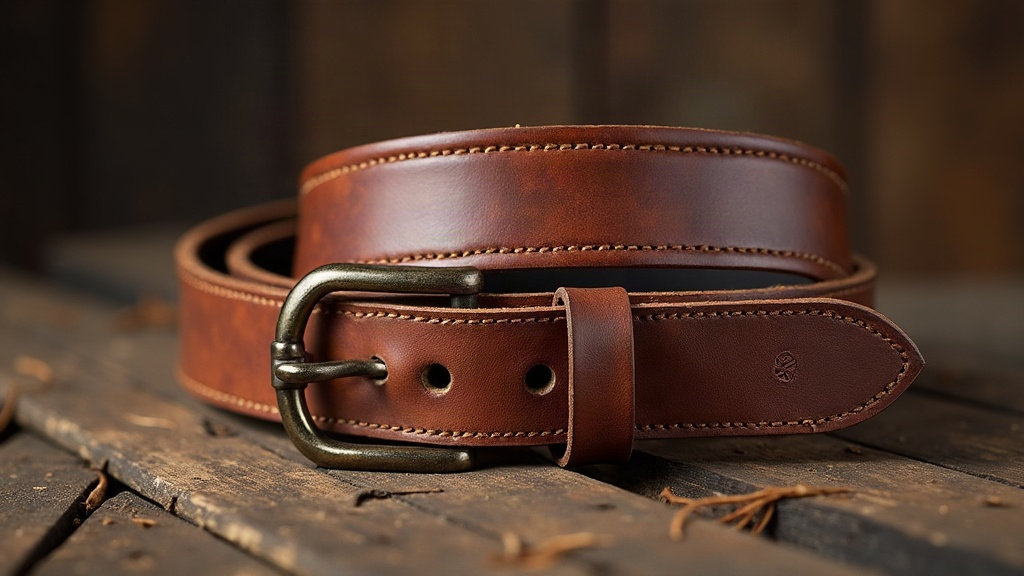
If your oil-tanned leather belt has suddenly gone rigid and creaky once temperatures drop, you’re not imagining things. Cold weather pulls moisture and oils right out of leather fibers, and the fibers tighten up as a result, losing that flexibility you’re used to. The good news? This stiffness is almost always reversible with the right conditioning routine, and a handful of smart habits will keep your belt supple through the whole season.
Why Oil-Tanned Leather Stiffens in Cold Weather
Oil-tanned leather gets its rich color and natural give from the fats and oils worked into the hide during tanning. Cold, dry air speeds up evaporation of those oils, and low humidity pulls moisture straight out of the fibers. The result is a belt that feels board-like, cracks right at the fold line, and loses that soft “broken-in” feel you spent months earning.
Indoor heating only makes it worse. Furnaces and radiators strip even more moisture from the air indoors, so a belt hanging in a closet near a heat vent can actually stiffen faster than one left outside in the cold.
Signs Your Belt Needs Conditioning
- A dry, chalky, or dull surface instead of that warm leather sheen
- Visible white creasing lines right where the belt bends
- A stiff, almost cardboard-like feel when you go to buckle it
- Small surface cracks near the buckle holes or fold
Choosing the Right Conditioner
Not every leather conditioner works the same way on oil-tanned leather. This type of hide already carries heavy oils, so it needs replenishment, not a dousing.
Best choices:
- Neatsfoot oil compound, a classic pick for oil-tanned leather that restores suppleness without darkening it too much
- Mink oil, which adds water resistance, a solid option for belts that see snow or slush regularly
- Beeswax-based balms (lanolin blends work well too), which condition while leaving a light protective layer on top
Avoid:
- Petroleum-based products not made for leather. They tend to leave a tacky, greasy film
- Too much mineral oil, which over time can over-soften the leather and weaken the stitching
Step-by-Step Conditioning Routine
- Clean first. Wipe the belt down with a slightly damp microfiber cloth to clear off salt residue, road grime, or dust. Salt stains from icy sidewalks are especially nasty if you let them sit.
- Dry completely. Let the belt air-dry at room temperature, away from radiators, vents, or any other direct heat source.
- Apply conditioner sparingly. A small amount on a soft cloth goes a long way. Work it in with circular motions, paying extra attention to the fold near the buckle, since that’s usually where cracking starts.
- Let it absorb. Give it 15 to 20 minutes, then buff off whatever’s left with a clean, dry cloth.
- Flex gently. Bend the belt back and forth a few times so the oils work their way into the fibers and the natural movement comes back.
- Repeat monthly in winter. Cold, dry months call for conditioning every 3 to 4 weeks, more often than your usual seasonal routine.
Preventing Stiffness Before It Starts
- Rotate your belts. Wearing the same one every day through winter wears out the fold point fast. Keep two belts in rotation so each gets a chance to recover.
- Store away from vents and radiators. A closet with steady humidity beats one sitting right next to a heat source.
- Use a humidifier. If your home air runs bone-dry in winter, a small humidifier near the closet helps the leather hold onto moisture without any extra work on your part.
- Wipe off snow and salt right away. Don’t let slush sit on the leather. It pulls oils out and leaves behind chalky white stains.
What to Do If the Belt Already Has Cracks
Light surface cracking can often be softened up with a deeper conditioning session: apply a heavier coat of neatsfoot oil, wrap the belt loosely in a cloth, let it sit overnight, then wipe and buff the next morning. Deep structural cracks are a different story, though. Those usually mean the leather fibers are permanently damaged, and no amount of conditioning brings that back. At that point, honestly, it’s time to think about a replacement.
Quick FAQ
Can I use olive oil or coconut oil on my leather belt? Better not to. Cooking oils can turn rancid, invite mold, and darken the leather unevenly. Stick with products made specifically for leather care.
How long does conditioning take to soften a stiff belt? Most belts show real improvement within a few hours of absorption, but full suppleness usually needs a day or two of normal wear and some gentle flexing.
Is it normal for the color to darken after conditioning? Yes, and it’s actually expected with oil-tanned leather, that slight darkening deepens the patina over time. If you’re nervous about it, test a hidden spot first.
Conclusion
Cold weather doesn’t have to wreck your favorite oil-tanned leather belt. Keep it clean, apply the right conditioner in thin, even layers, and store it smarter, and the leather will stay supple, crack-free, and good-looking all winter long. A little maintenance now beats paying for a replacement later, and your belt will pay you back with years of comfortable wear.