Edge Burnishing: Gum Tragacanth vs. Tokonole on Chrome-Tan Scraps
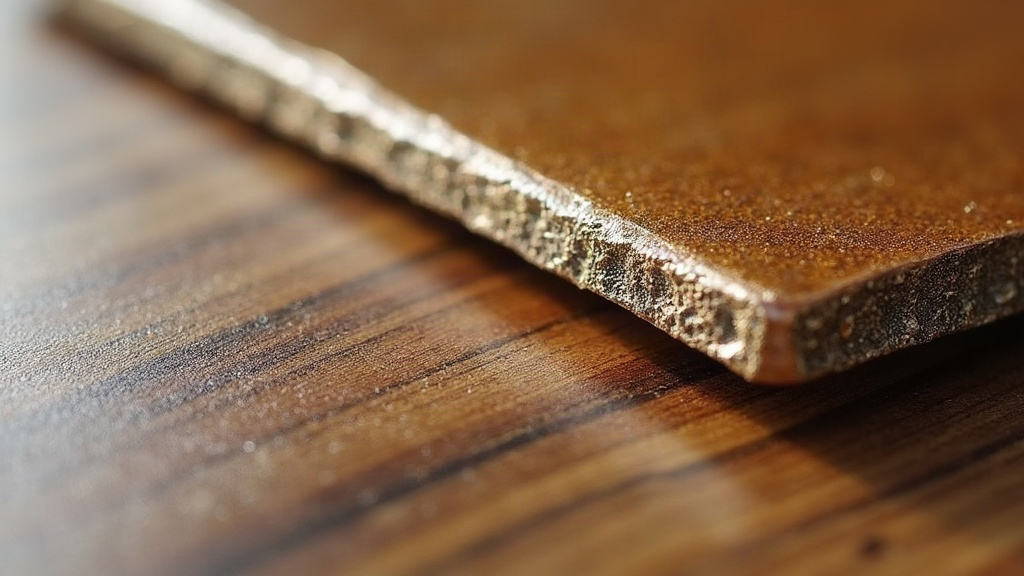
Chrome-tan leather has a reputation: soft, buttery, gorgeous to handle. And nearly impossible to burnish cleanly. If you’ve ever grabbed a scrap of chrome-tan, loaded up some gum tragacanth, and ended up with a fuzzy edge speckled with white flecks, welcome to the club. This piece digs into what actually separates gum tragacanth from Tokonole when you’re working chrome-tan scraps, where each one shines, and how to walk away with a clean edge no matter which you pick.
Why Chrome-Tan Edges Are Harder to Burnish
It’s not you. It’s the hide. Vegetable-tanned leather burnishes like a dream because its fibers are dense and stiff, they compress and “glass” under heat and friction almost on command. Chrome-tan is a different animal. Tanned with chromium salts, it comes out softer, stretchier, and packed with loose, springy fibers that just won’t lie flat no matter how hard you rub.
So the old veg-tan trick, water plus friction, falls apart here. It doesn’t fuse chrome-tan fibers the way it fuses veg-tan ones. What you need instead is a binder, something to glue those fibers down and fill the gaps between them. That’s the job gum tragacanth and Tokonole were both built for, even if they go about it differently.
Gum Tragacanth: The Traditional Choice
Gum tragacanth comes from the sap of Astragalus shrubs, and leatherworkers and bookbinders have leaned on it for well over a hundred years. It’s cheap, it’s everywhere, and odds are it’s already sitting in your burnishing kit.
On veg-tan, it’s dependable, no complaints there. On chrome-tan, the results are more hit or miss:
- Pros: Inexpensive, natural, thick enough to pin down loose fibers, easy to source almost anywhere.
- Cons: Lay it on too thick and it dries into a cloudy white film, especially noticeable on dark or oiled chrome-tan. It also tends to sit on top of the leather rather than soak in, which means the edge you just slicked can start fuzzing again the moment you handle it a few times.
If you’re going to use gum tragacanth on chrome-tan, apply it thin. Work it in with a wooden slicker, then follow up with beeswax to lock things down. Even with that extra step, you’re working around the material’s limits, not solving them.
Tokonole: The Modern Favorite
Tokonole is a Japanese synthetic gum, built on a carboxymethyl-cellulose base, and it was engineered specifically for edge finishing. It dries completely clear and binds hard, and unlike gum tragacanth, it was designed from the start with soft and chrome-tanned leathers in mind.
Try it on a chrome-tan scrap and the contrast shows up fast:
- Pros: Dries transparent, so there’s no chalky residue on black or brown leather. It actually penetrates the fiber structure and glues it together instead of just coating the surface. One coat of Tokonole frequently outperforms two or three coats of gum tragacanth.
- Cons: It costs more per ounce, and it’s synthetic, which matters if you’re committed to all-natural materials on principle.
For the kind of chrome-tan work most makers do (card slots, bag straps, soft little pouches) Tokonole wins, no real contest. It turns a ragged, fuzzy edge into something smooth and tight, and it does it in less time than gum tragacanth needs.
Head-to-Head on Chrome-Tan Scraps
To keep things fair, I tested both on the same piece of 4–5 oz chrome-tan, same edge prep, same canvas-and-wood slicker for both runs.
| Factor | Gum Tragacanth | Tokonole |
|---|---|---|
| Drying clarity | Slight white haze on dark leather | Fully clear |
| Fiber hold | Moderate; may fuzz after use | Strong, lasting bond |
| Coats needed | 2–3 minimum | 1–2 |
| Feel | Slightly tacky when thick | Smooth, natural |
| Cost | Very low | Higher |
| Best use case | Light-colored veg-tan | Dark, soft, or oily chrome-tan |
Bottom line: gum tragacanth can be made to work on chrome-tan, thin coats, wax seal, patience, but Tokonole just handles this leather type faster and with less fuss.
Step-by-Step Burnishing Technique for Chrome-Tan
The product you pick matters, sure, but prep matters just as much. Run through this sequence and both gums will give you better results.
- Trim and sand. Cut the edge flush, then sand with 240 grit, followed by 400, to knock down the fuzzy fibers.
- Bevel lightly. One quick pass with an edge beveler keeps the top corners from mushrooming out.
- Apply the gum sparingly. Dip a fingertip or applicator and wipe on a thin, even coat along the edge, don’t drown it.
- Burnish. Rub briskly with a wooden slicker or canvas cloth until you feel the edge warm up and start to shine.
- Repeat. Let it dry fully, sand very lightly, then add one more thin coat.
- Seal. Finish with a light rub of beeswax or paraffin, buff it in with canvas. This locks everything in place and buys you some water resistance too.
Which Should You Choose?
Go with gum tragacanth if veg-tan is your main material, your budget is tight, or you just want to stick with something natural and traditional and don’t mind an extra coat or two. Go with Tokonole if chrome-tan, dark leather, or soft leather crosses your bench regularly and you want a clean, transparent, durable edge without wrestling the material into submission.
A lot of makers just keep both on hand: gum tragacanth for the veg-tan jobs, Tokonole reserved for chrome-tan scraps and soft leathers, where it genuinely earns the higher price tag.
Conclusion
Chrome-tan simply doesn’t burnish the way veg-tan does, and no amount of elbow grease will change that. What does change it is the right binder. Gum tragacanth is a solid, budget-friendly classic, it just needs thin coats and a wax seal to pull its weight on chrome-tan. Tokonole, on the other hand, binds and fills and dries clear with noticeably less effort, which makes it the stronger pick for soft, dark chrome-tan scraps. Prep the edge well, go easy on the application, seal with wax, and you’ll end up with a clean, professional-looking edge no matter which gum ends up in your hand.