Preventing Tannin Bloom on Veg-Tan Leather in Dry Winter Homes
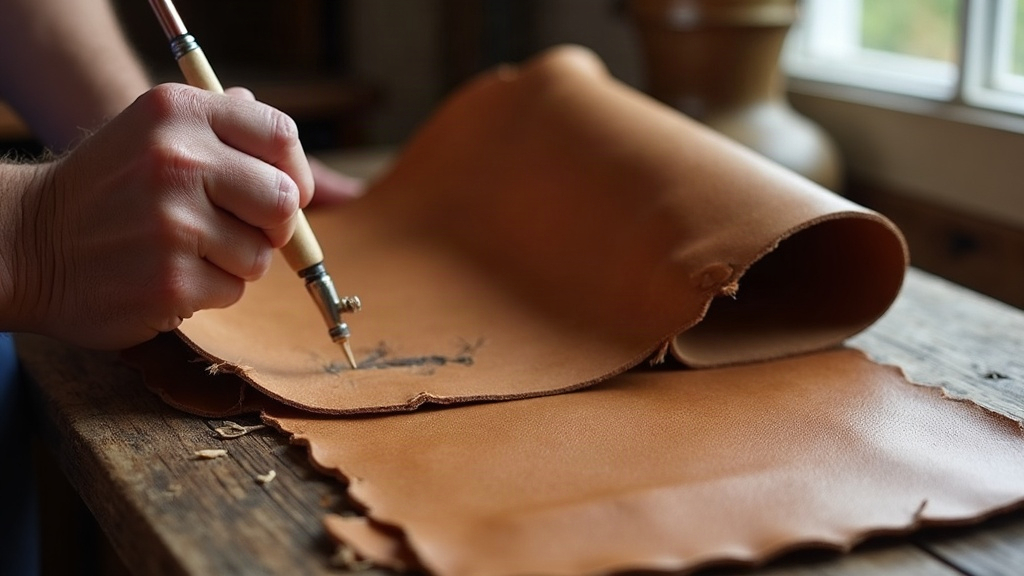
Tannin Bloom in Winter: Why It Happens and How to Stop It
That chalky, whitish haze that sometimes creeps across vegetable-tanned leather? It shows up far more in winter, when indoor heating sucks moisture straight out of the air. Here’s the reassuring part: it won’t hurt your leather. With the right humidity habits, a simple cleaning routine, and smarter storage, you can keep it from happening at all.
What Exactly Is Tannin Bloom?
Tannin bloom (also called “spew” or “fatty bloom,” depending on what’s causing it) is basically a surface deposit that works its way out of veg-tan leather as the hide dries out. Two main varieties show up:
- Tannin bloom, where natural plant tannins crystallize on the surface. Usually kicked off by moisture leaving the leather too quickly.
- Fat/wax bloom, where oils and waxes from the finishing process rise up and harden on top, leaving a soft, waxy film.
Visually they’re almost twins: a dusty, pale coating that can turn a rich dark brown bag ashy gray overnight. Neither one means your leather has mold or has been damaged somehow. But both get worse fast in the bone-dry air of a heated house, where humidity can sink below 20-30%, well under the 40-60% range leather actually wants.
Why Winter Heating Makes It Worse
Furnaces, radiators, space heaters, they all pull moisture out of the air with zero mercy. Veg-tan leather is porous and hygroscopic, which just means it’s constantly trading moisture with whatever’s around it. So when the surrounding air turns desert-dry:
- The leather’s own oils and tannins get pushed outward faster, trying to make up for the moisture it’s losing internally.
- Fibers stiffen up and start cracking more easily on the surface, and bloom loves to settle right into those tiny fissures.
- Oils or conditioners you applied months ago get drawn back up to the surface instead of staying soaked in where they belong.
That’s exactly why a bag sitting on a shelf above a heating vent, or a belt hung near a sunny, dry windowsill, tends to be the first thing in the house to show bloom.
How to Prevent Tannin Bloom This Winter
1. Control Room Humidity
A humidifier is your best friend here. Aim to keep indoor relative humidity somewhere between 40 and 55%. Grab a cheap hygrometer (you can find one for under $15) and park it near wherever you keep your leather goods, so you’re not just guessing.
2. Choose Smart Storage Locations
- Skip closets sitting directly above radiators or beside heating vents. Seems obvious, but it’s one of the most common mistakes.
- Keep pieces out of direct sunlight. It dries the surface and fades the color at the same time, a double hit.
- Use breathable cotton dust bags. Never seal leather in plastic, that traps condensation inside and practically invites mold.
3. Condition Before the Dry Season Hits
Get ahead of it. Apply a light, natural conditioner (neatsfoot oil, a beeswax balm, or a product made specifically for veg-tan) in early autumn, before your heating system is running nonstop. That said, overdoing it causes its own problem (fat bloom), so:
- Go thin. Even layers only.
- Buff well after every application.
- If you’re layering, wait 24 to 48 hours between coats.
4. Rotate and Air Out Stored Items
Leather left untouched for months practically invites bloom. So every few weeks, do this:
- Pull bags and belts out of storage.
- Give them a quick wipe with a soft, dry microfiber cloth.
- Let them sit out in normal room air for about an hour before putting them back.
How to Remove Existing Bloom
Already seeing that haze? No need to panic, it comes off easily:
- Lightly dampen a soft cloth with warm water (not dripping, just damp).
- Buff gently in small circles until the haze disappears.
- Let the leather air-dry completely, away from any direct heat source.
- Once it’s fully dry, follow up with a very light pass of conditioner.
One thing to avoid: alcohol-based cleaners or saddle soap for everyday bloom removal. They strip out natural oils and end up making the dryness problem worse down the line.
Quick Reference Checklist
- Keep humidity between 40-55% using a humidifier and hygrometer.
- Store leather well away from vents, radiators, and sunny windows.
- Condition lightly, before and through winter, never heavy-handed.
- Rotate stored pieces monthly and let them breathe.
- Wipe bloom off with a barely damp cloth, no harsh chemicals needed.
Final Thoughts
Tannin bloom is just leather reacting naturally to the dry air your heater is pumping out all winter. It’s not a defect, and it’s not a sign you’ve been careless with it. Watch your humidity levels, store pieces with a bit of thought, and condition in moderation. Do that, and your veg-tan goods will stay rich and supple right through the season, no harsh products required.