Deer Leather vs Elk Leather for Hand-Sewn Moccasin Soles
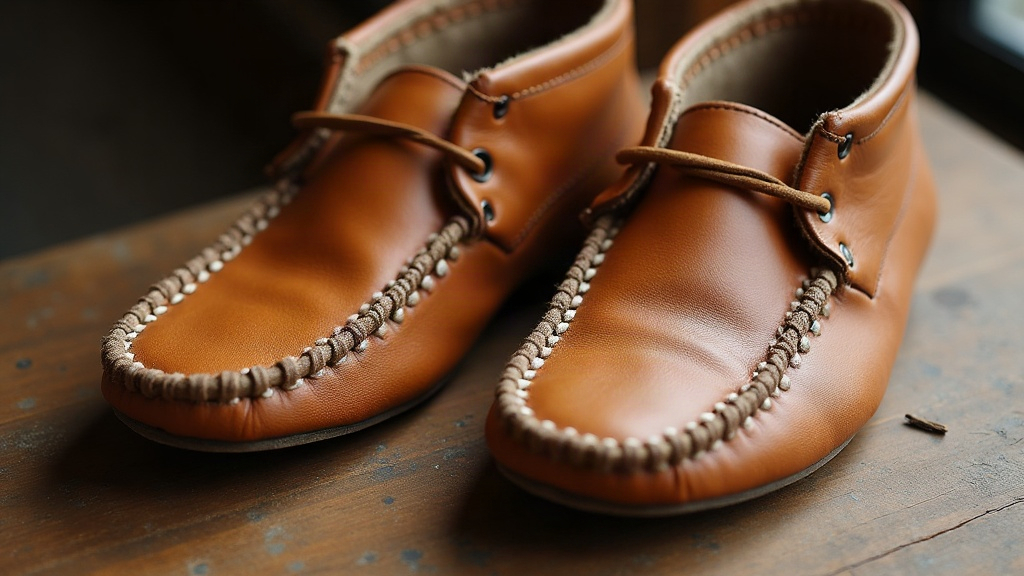
Deer Leather vs. Elk Leather for Moccasin Soles: Which One Should You Pick?
If you’re torn between deer leather and elk leather for soft, hand-sewn moccasin soles, here’s the quick version: deer leather (buckskin) gives you something light and pliable, great for indoor wear and traditional-style moccasins. Elk leather, on the other hand, brings noticeably more thickness, better abrasion resistance, and a longer lifespan for moccasins that actually see outdoor use. Moccasin makers love both hides, but they’re built for different jobs. Pick wrong and you’ll end up with soles that wear through after one season, or moccasins so stiff they never truly soften up.
Why the Leather You Choose Actually Matters
Hand-sewn moccasins depend on soft, flexible leather that shapes itself to your foot over time. Unlike shoes with stitched-on rubber or Vibram soles, a traditional moccasin wraps the sole leather around the foot (or attaches it with a simple welt). That means the leather has to do a lot of work at once:
- Flex with every single step without cracking
- Stand up to abrasion from floors, trails, or pavement
- Hold a hand stitch without the thread tearing out
- Age well instead of going stiff or splitting apart
Both deer and elk hide handle these demands fine, but their fiber density and thickness are different enough that the feel underfoot is a totally different story.
Deer Leather (Buckskin): The Classic Soft Choice
Deer leather, usually tanned into buckskin, has been the go-to material for moccasins across North American indigenous cultures for hundreds of years. A few things define it:
- Thin and supple. Typically 1.5 to 2.5 oz, it practically feels like a glove once it’s on your foot.
- Breaks in almost instantly. There’s little to no “new shoe” stiffness to fight through.
- Best suited to indoor or light outdoor use. Think house moccasins, slippers, ceremonial footwear, or easygoing trail shoes.
- Easier to hand-stitch. The fibers are soft enough that an awl paired with sinew or waxed thread glides through cleanly.
The catch is durability. Buckskin soles thin out fast on hard surfaces like concrete or asphalt, sometimes within a single season of regular wear. Most buckskin moccasin makers suggest sewing on a reinforced leather or rawhide sole patch if the moccasins are going to see any real outdoor time.
Elk Leather: Built to Take a Beating
Elk hide runs thicker and denser than deer hide, simply because elk are bigger animals with a coarser fiber structure. For moccasin soles, that difference shows up in a few key ways:
- Noticeably thicker. Commonly 3 to 5 oz or more, which means real cushioning and genuine wear resistance.
- Far better abrasion resistance. Elk-soled moccasins routinely last 2 to 3 times longer than buckskin soles on rough ground.
- Still surprisingly soft. Despite the extra bulk, properly tanned elk hide (brain-tanned or oil-tanned especially) stays flexible instead of turning stiff like most commercial leathers.
- A heavier feel underfoot. It’s not as glove-like as deer, but it’s still worlds softer than cowhide or standard shoe leather.
Elk is the natural pick for moccasins meant for hiking, hunting, or just being worn outside every day. A lot of professional moccasin makers actually combine both hides: elk for the sole, deer for the upper. That way you get durability exactly where it’s needed and softness exactly where comfort matters.
Side-by-Side Comparison
| Feature | Deer Leather | Elk Leather |
|---|---|---|
| Thickness | Thin (1.5-2.5 oz) | Thick (3-5+ oz) |
| Softness | Extremely soft | Soft but firmer |
| Durability | Lower, wears fast outdoors | High, built for abrasion |
| Break-in time | Minimal | Short to moderate |
| Best use | Indoor slippers, light wear | Outdoor, daily-use moccasins |
| Cost | Generally lower | Generally higher |
| Hand-stitching ease | Very easy | Easy, slightly more resistance |
Which One Should You Actually Buy?
- Go with deer leather if you’re after traditional-feeling house moccasins, ceremonial footwear, or ultra-light slippers that’ll stay mostly indoors or on soft ground.
- Go with elk leather if your moccasins need to survive gravel driveways, hiking trails, or daily outdoor wear without falling apart in a matter of weeks.
- Or try a hybrid build: deer leather on top for comfort, elk leather on the sole for toughness. It’s a combination plenty of experienced moccasin makers swear by.
Final Thoughts
Neither hide is “better” in any absolute sense. It really comes down to how hard your moccasins will actually be worked. Deer leather wins on softness and tradition. Elk leather wins on toughness and how long it’ll hold up. Making your first pair by hand? Start with deer leather, since it’s easier to stitch and more forgiving while you’re learning. Once you’ve got the technique down, move on to elk for moccasins built to survive years of real wear.